Breast Implant Illness (BII): What We Know, What We Don’t—and Why That Distinction Matters

The Short Answer

Breast implant illness (BII) describes a constellation of systemic symptoms some women with breast implants report—fatigue, brain fog, joint and muscle pain, headaches, hair loss, and more. The FDA acknowledges these reports, but as of 2026 BII is not a formal medical diagnosis and there is no validated test that confirms it. Large studies after the 1990s silicone controversy did not establish that silicone implants cause classic connective-tissue disease; newer work may show associations between implants and systemic symptoms, but association is not causation. Silicone is also ubiquitous in personal-care products and the environment. Many patients report improvement after explant—that relief can be real—without proving why they improved. Wanting implants removed is reason enough for surgery; promising a cure for every attributed symptom is not honest consent.

Key Takeaways

  • BII names real, self-reported symptoms—not a formal diagnosis with a confirmatory biomarker.
  • 1990s-era large studies (including the Nurses’ Health Study and a NEJM meta-analysis) did not show a meaningful increase in major connective-tissue diseases from silicone implants.
  • If “silicone” is the proposed culprit, ask which silicone, from where, at what dose, by what route, and by what mechanism—not only the two implants in the room.
  • High rates of patient-reported improvement after explant deserve study; they do not, by themselves, prove biological causation.
  • Explant on request is legitimate care. Guaranteeing symptom resolution is not a promise medicine can currently make.
  • “We don’t know yet” must cut both ways—it cannot mean both ignorance and established guilt.

Few subjects in aesthetic plastic surgery generate as much emotion—or as much online certainty—as breast implant illness, commonly abbreviated BII.

Women who describe BII may be genuinely suffering. Some report dramatic improvement after their breast implants are removed. Others do not. Meanwhile, social media can transform a complicated scientific question into something deceptively simple: I had implants. I became sick. The implants made me sick.

Perhaps they did.

But medicine requires us to distinguish what is possible, what is associated, and what has actually been demonstrated.

That distinction is not medical gaslighting. It is the purpose of science.

My goal here is neither to defend breast implants nor to dismiss women who believe their implants have made them ill. I implant breast implants. I remove them. I revise them. I have no philosophical allegiance to a silicone bag.

Instead, I want to take some of the temperature out of an understandably emotional discussion and examine what we actually know—and, just as importantly, what we don’t.

What Is Breast Implant Illness?

Breast implant illness is a term used by patients and physicians to describe a broad constellation of systemic symptoms reported by some women with breast implants.

Commonly reported symptoms include:

  • Chronic fatigue
  • “Brain fog,” memory or concentration problems
  • Joint and muscle pain
  • Headaches
  • Hair loss
  • Weight changes
  • Anxiety and depression
  • Sleep disturbances
  • Various other nonspecific systemic complaints

The FDA acknowledges these reports in women with both silicone- and saline-filled implants. But as of 2026, the FDA also states something critically important: BII is not recognized as a formal medical diagnosis, and there are no specific tests or recognized diagnostic criteria that define it.

In other words, there is presently no blood test, imaging study, antibody, pathological finding or other validated biomarker that allows a physician to say:

“This patient has breast implant illness.”

That doesn’t mean the symptoms aren’t real.

It means we don’t yet know what those symptoms represent—or, in an individual patient, what caused them.

We’ve Been Down a Similar Road Before

I was practicing plastic surgery during the great silicone breast implant controversy of the 1990s.

At the time, silicone implants were accused of causing rheumatoid arthritis, lupus, scleroderma, Sjögren’s syndrome and other connective-tissue and autoimmune diseases. Media attention and litigation exploded, and silicone implants were restricted in the United States outside controlled circumstances.

The controversy also triggered an extraordinary amount of research.

In 1995, investigators analyzing 87,501 women in the Nurses’ Health Study found no association between breast implants and defined connective-tissue diseases. Importantly, their follow-up data largely preceded the widespread media attention surrounding the controversy.1

In 2000, a New England Journal of Medicine meta-analysis combined 20 epidemiologic studies and again found no evidence that breast implants produced a meaningful increase in the major connective-tissue diseases being investigated.2

The FDA today similarly states that it has not detected an association between silicone gel-filled breast implants and connective-tissue disease.7

That does not prove that implants cannot cause systemic symptoms through some mechanism that we have yet to understand.

It does demonstrate why anecdote and biological causation cannot be treated as synonyms.

The 1990s Implant Litigation Is Worth Remembering

The history is particularly interesting because the scientific debate did not occur in a vacuum.

A 2010 article in the AMA Journal of Ethics reviewed the extraordinary breast-implant litigation of the 1990s and described the collision among public fear, litigation, physicians, manufacturers and emerging scientific evidence. It noted that early jury verdicts occurred before the epidemiological evidence matured and that later independent scientific reviews increasingly failed to support the sweeping autoimmune claims being made at the time.8

Some historical implant research did have industry involvement, and potential conflicts of interest deserve scrutiny. But the evidence cannot accurately be dismissed as simply “research paid for by breast implant companies.” Major work was also supported by government and independent sources.

So yes: follow the money. But follow it in both directions.

Industry conflicts matter. So do litigation conflicts, advocacy bias and professional incentives.

Science ultimately has to stand on whether findings can be reproduced by different investigators, in different populations, using different methods.

The Pesky Little Problem: Silicone Is Everywhere

Here is another part of the discussion that rarely receives enough attention.

Silicone is ubiquitous.

Silicone isn’t one chemical. It is a family of silicon-oxygen-containing compounds with dramatically different molecular sizes and properties.

Small cyclic volatile methylsiloxanes such as D4, D5 and D6 have been demonstrated in tissues surrounding silicone breast implants. Gel bleed and migration of certain low-molecular-weight siloxanes through an intact implant shell are real phenomena.5

But those same families of siloxanes aren’t unique to breast implants.

They are widely encountered in our everyday environment and are used in personal-care products, including cosmetics, antiperspirants and particularly hair-care products. Studies of indoor environments identify personal-care products as an important source of human exposure to volatile methylsiloxanes.

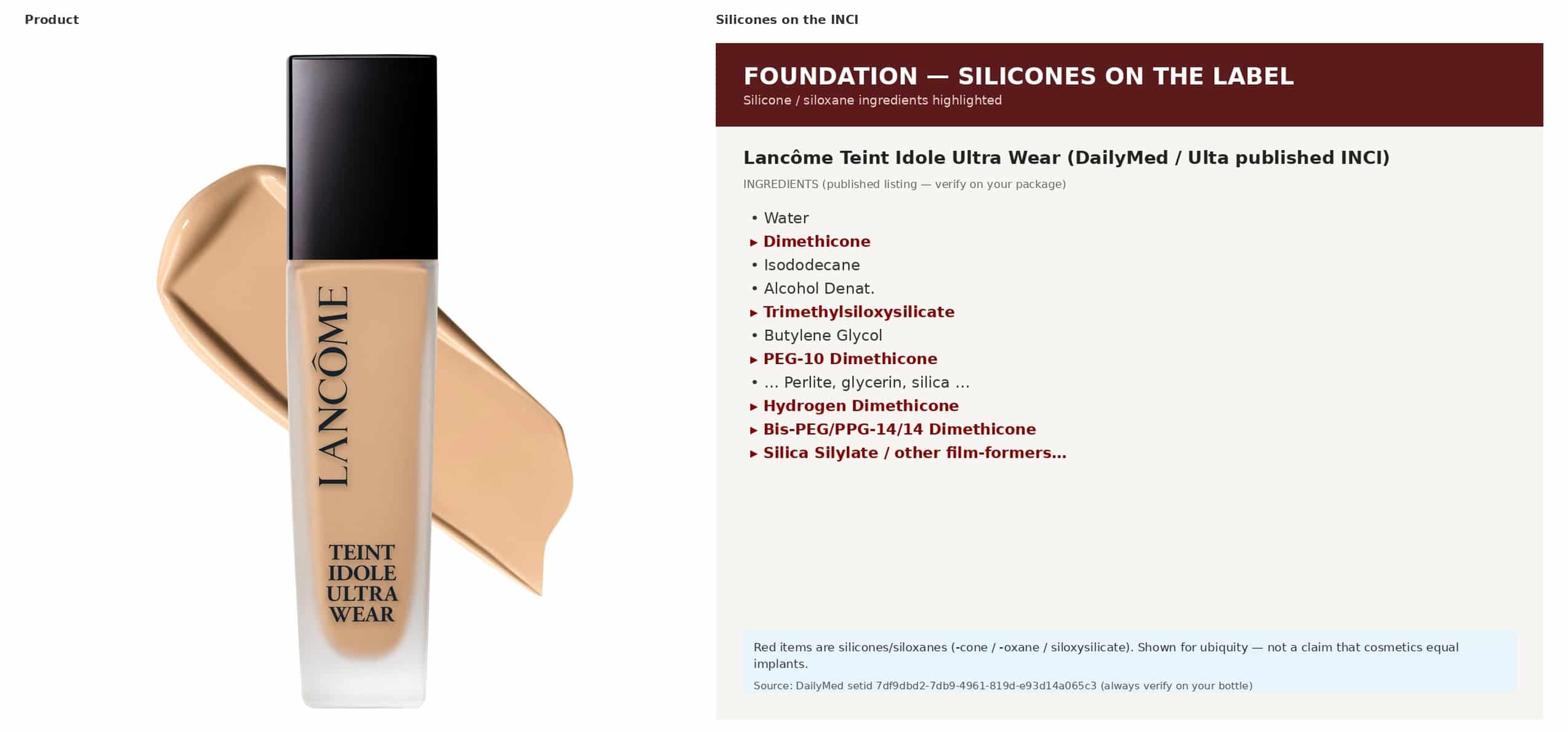
Bottle and label: silicones in everyday hairspray and foundation.
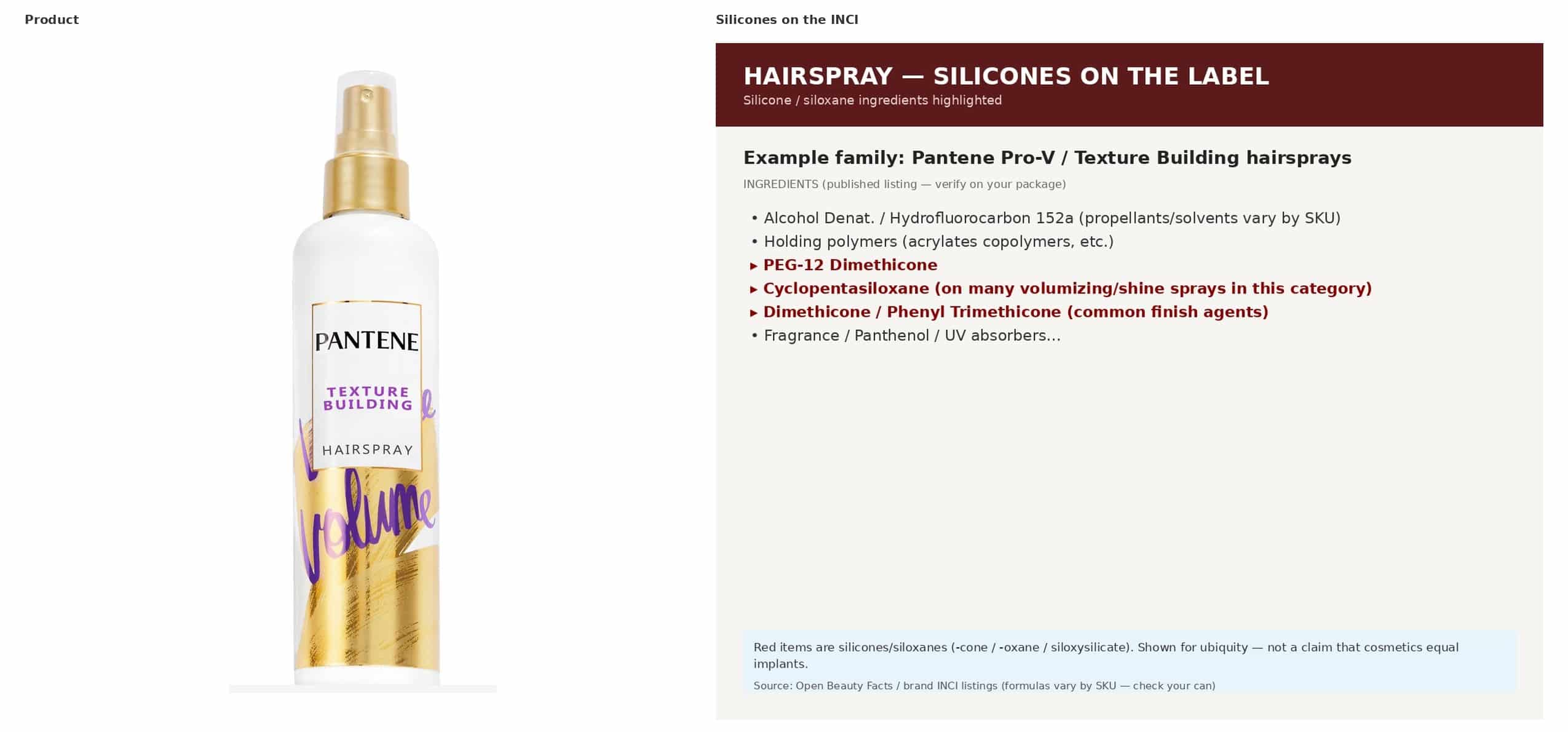
Pantene Texture Building Hairspray bottle beside an ingredient callout highlighting PEG-12 dimethicone and related silicones
Hairspray — bottle and silicones. Pantene Texture Building Hairspray (product shot) paired with published INCI highlights: PEG-12 dimethicone and related -cone/-oxane silicones commonly listed on hairsprays in this category. Formulas vary by SKU—check your can.
Lancôme Teint Idole Ultra Wear foundation bottle beside an ingredient callout highlighting dimethicone, PEG-10 dimethicone, and trimethylsiloxysilicate
Foundation — bottle and silicones. Lancôme Teint Idole Ultra Wear (Sephora product shot) with silicones from the published DailyMed/Ulta ingredient list: dimethicone, PEG-10 dimethicone, trimethylsiloxysilicate, hydrogen dimethicone, and related film-formers.

A particularly fascinating 2023 study actually measured emissions during ordinary hair-care routines. D5 was the predominant cyclic siloxane emitted. Under one modeled poorly ventilated bathroom scenario, the estimated cumulative D5 inhalation during a 20-minute hair-care routine reached approximately 17 milligrams. Turning on the exhaust fan substantially reduced that exposure.6

That certainly does not prove that hairspray is safer or more dangerous than a breast implant. These are completely different exposure circumstances and should not be treated as a head-to-head toxicological comparison.

But it raises an important scientific question.

If the proposed culprit is simply “silicone,” then we have to ask:

Which silicone? From where? At what dose? By what route? Over what period of time? And through what biological mechanism?

Simply pointing at the two most obvious pieces of silicone in the room and declaring those twins guilty doesn’t answer those questions.
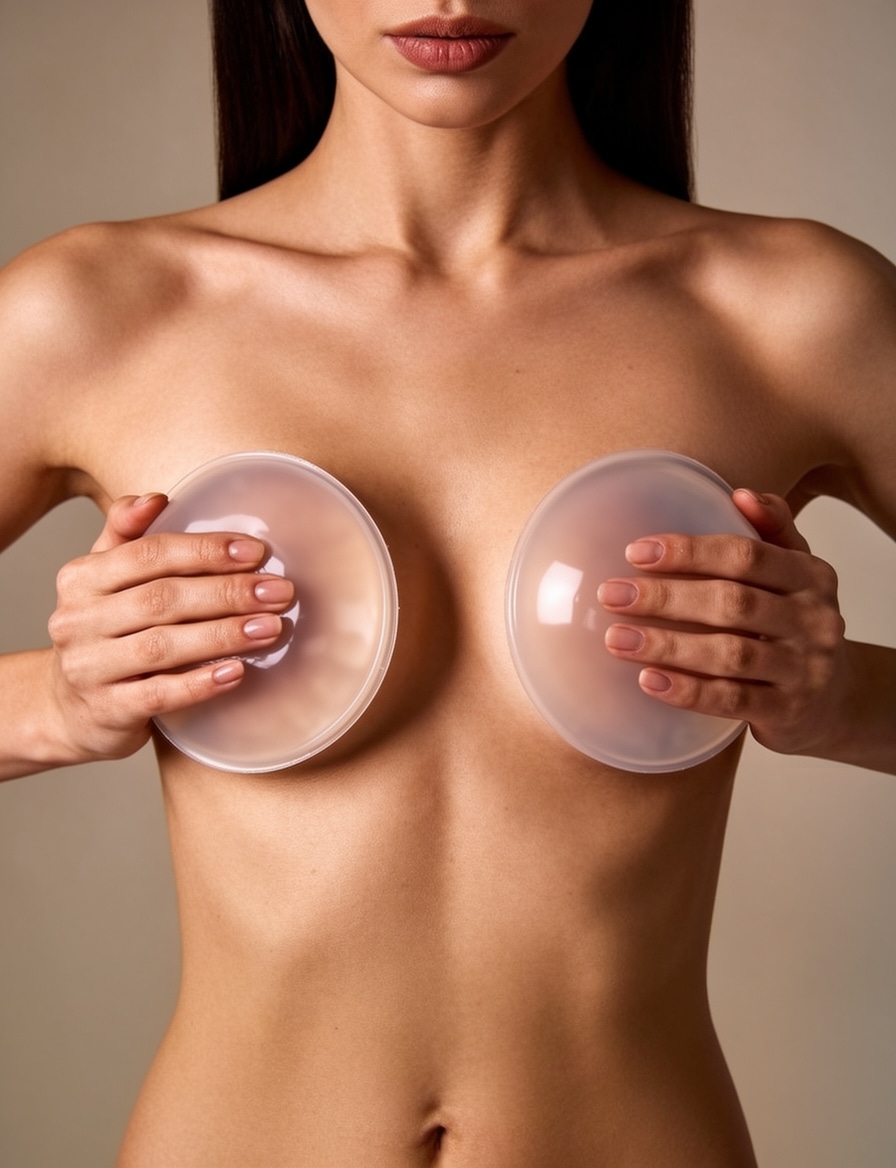
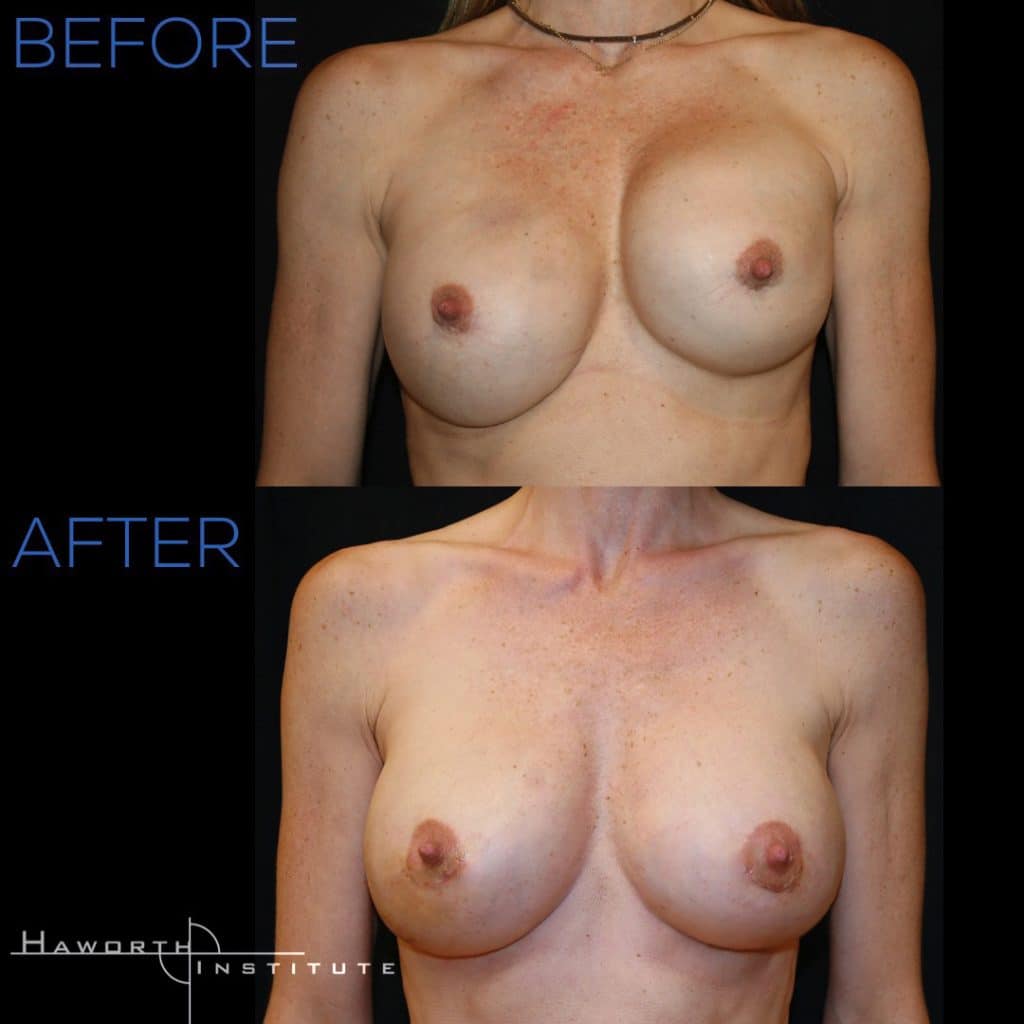
Woman holding two silicone breast implants in front of her chest
Though a photograph is able to capture an association by proximity, it is unable to expose causality which only hard-and-fast data can.

Association is not causation.

“But I Felt Better After My Implants Were Removed”

This is perhaps the most compelling argument made by women who believe they have experienced BII.

And it deserves to be taken seriously.

A 2025 systematic review and meta-analysis involving 33 studies and more than 6,000 women reported that approximately 82% of patients reported some symptom improvement following explantation. Another systematic review found similarly high rates of patient-reported improvement.3

That is interesting.

It deserves further study.

But it still does not, by itself, establish causation.

A 2026 systematic review and meta-analysis reached a more cautious conclusion: among patients categorized as having BII/systemic symptoms, most did not achieve complete resolution, average improvement was more moderate, and the authors emphasized considerable heterogeneity among the underlying studies.4

This is precisely why study design matters.

Imagine spending months or years convinced that a foreign object inside your body is poisoning you. You research it extensively. Perhaps you join online communities populated by people experiencing similar symptoms. Eventually, you undergo surgery and the object you have come to fear is finally removed.

The surgery goes well.

Someone then asks:

“Do you feel better?”

That is hardly a double-blinded experiment.

Expectancy effects, placebo effects, reversal of a nocebo effect and confirmation bias are legitimate potential confounders. That doesn’t mean the patient’s improvement isn’t genuine. It means improvement alone cannot tell us why she improved.

I sometimes describe this as the surgical equivalent of confirmation bias.

The FDA takes an appropriately cautious position: some women report improvement or resolution following explantation, but the cause of these systemic symptoms and the degree to which they are related to the implants remain unclear.7

There is an important lesson here:

“We don’t know yet” has to cut both ways.

It cannot be used simultaneously to argue that science doesn’t understand BII and that science has therefore established that implants caused it.

What I Tell My Patients Who Want Their Implants Removed

When a woman comes to me and says:

“Doctor, I believe I have breast implant illness and I want my implants removed.”

My answer is quite straightforward.

You’ve come to the right place. I’m a plastic surgeon. Removing breast implants is part of what I do.

If a woman no longer wants implants in her body, that alone is a legitimate reason to remove them. She doesn’t need to convince me that she has BII.

But before surgery, I owe her something considerably more valuable than agreement:

informed consent.

I can promise to remove her implants.

I cannot honestly promise that removing them will cure her fatigue, brain fog, joint pain, headaches, anxiety or whatever systemic symptoms she has attributed to them.

If she understands that uncertainty and still wants her implants removed?

Absolutely. Off we go.

Because my responsibility as a surgeon isn’t to tell a patient what she wants to hear—or what the implant industry, plaintiffs’ attorneys, Facebook groups or anyone else wants her to hear.

It is to tell her what we know, what the evidence suggests, and what we still don’t know.

That isn’t dismissing women’s symptoms.

It is taking them seriously enough not to pretend that medicine has answers it does not yet possess.

The Bottom Line on Breast Implant Illness

Breast implant illness remains an evolving and controversial area of medicine.

Women reporting these symptoms deserve to be heard. Their symptoms should be investigated rather than automatically attributed to implants—or automatically dismissed. And women who decide they no longer want breast implants should have access to thoughtful explantation counseling.

At the same time, medicine should resist replacing one form of dogma with another.

The emerging literature suggesting an association between implants, systemic symptoms and improvement after explantation deserves serious investigation. In fact, a 2025 meta-analysis found BII-type symptoms were reported more frequently among women with implants for several symptom categories. That is a signal worth studying, not ignoring.3

But a signal is the beginning of a scientific investigation, not the end of one.

Perhaps we will ultimately identify an inflammatory, immunological, microbial, genetic or other mechanism that explains systemic symptoms in a susceptible subset of women. Perhaps what we currently call BII will ultimately prove to encompass several different conditions.

I don’t know. Neither does anyone else yet.

And for the moment, that may be the most scientifically honest answer of all.

Frequently Asked Questions

Is breast implant illness a recognized medical diagnosis?

Currently, the FDA states that BII is not recognized as a formal medical diagnosis and that there are no specific diagnostic tests or recognized criteria defining it.7

What are the most common BII symptoms?

Reported symptoms include fatigue, brain fog, joint and muscle pain, hair loss, weight changes, anxiety and depression.

Do symptoms improve after breast implant removal?

Many patients report improvement following explantation, and systematic reviews have documented substantial patient-reported improvement. However, studies are heterogeneous, and improvement following removal does not by itself establish the biological mechanism responsible.3,4

Is there proof that breast implants cause autoimmune disease?

The FDA currently states that it has not detected an association between silicone gel-filled breast implants and connective-tissue disease, although research into systemic symptoms associated with implants continues.7

Does breast implant removal require a total capsulectomy for BII?

The evidence does not currently establish that every patient seeking explantation for systemic symptoms requires total capsulectomy. The appropriate surgical approach should be individualized according to implant and capsule findings, medical indications and patient circumstances.

Selected Scientific References

  1. Sánchez-Guerrero J, et al. Silicone Breast Implants and the Risk of Connective-Tissue Diseases and Symptoms. New England Journal of Medicine. 1995;332:1666–1670.
  2. Janowsky EC, Kupper LL, Hulka BS. Meta-analyses of the Relation Between Silicone Breast Implants and the Risk of Connective-Tissue Diseases. New England Journal of Medicine. 2000;342:781–790.
  3. Ferreira S, Barros AS, Marques M. Breast Implant Illness: Symptoms, Outcomes with Explantation and Potential Etiologies—A Systematic Review and Meta-analysis. Aesthetic Plastic Surgery. 2025.
  4. Cuenca-Pardo J, et al. Breast Implant Explantation and Capsulectomy in Symptomatic Patients. Journal of Plastic, Reconstructive & Aesthetic Surgery. 2026.
  5. Flassbeck D, et al. Determination of Siloxanes, Silicon, and Platinum in Tissues of Women With Silicone Gel-Filled Implants. Analytical and Bioanalytical Chemistry. 2003.
  6. Jung N, et al. Siloxane Emissions and Exposures During the Use of Hair Care Products in Buildings. Environmental Science & Technology. 2023.
  7. FDA. Medical Device Reports for Systemic Symptoms in Women with Breast Implants.
  8. Schleiter KE. Silicone Breast Implant Litigation. AMA Journal of Ethics. 2010.

Randal D. Haworth, MD, FACS
Board-Certified Plastic Surgeon | Beverly Hills


The Great Filler Dissolving Obsession

The Short Answer

Hyaluronidase is an enzyme used to dissolve hyaluronic acid (HA) fillers such as Juvéderm and Restylane. It can be extremely useful for treating misplaced or excessive filler, persistent swelling and the blue-gray discoloration known as the Tyndall effect. But the presence of residual filler on ultrasound or MRI does not necessarily mean that every trace of it needs to be removed. The goal should be correction of the clinical problem—not simply elimination of an imaging finding. In many cases, selective hyaluronidase treatment followed by careful massage and reassessment can produce a better aesthetic result than repeatedly attempting to dissolve every detectable molecule of filler.

Hyaluronidase dissolves hyaluronic acid–based fillers by hydrolyzing the HA polymer — breaking it down so the body can clear it. Recent literature has challenged even the terminology of “dissolving” filler. Harris and Weiner argue that hyaluronidase may be better understood as modifying a complex filler-tissue system rather than predictably eradicating every molecule of HA. Importantly, clinical improvement may occur even when ultrasound or MRI continues to demonstrate residual filler.1

Key Takeaways

  • Hyaluronidase can selectively dissolve unwanted hyaluronic-acid filler.
  • Tyndall effect is a blue-gray discoloration that can occur when HA filler is placed too superficially.
  • Not every residual pocket of filler visible on ultrasound or MRI requires treatment.
  • Repeated attempts to eliminate every trace of filler may create additional swelling, tissue changes and dissatisfaction.
  • Clinical examination should determine whether detected filler is actually causing an aesthetic problem.
  • In selected cases, careful massage and molding after hyaluronidase can be an important part of correction.

Hyaluronic acid fillers such as Juvéderm and Restylane can produce beautiful results—and when they don’t, hyaluronidase can often correct the problem remarkably well.

But somewhere along the way, “dissolving unwanted filler” has evolved into something quite different: a quest to hunt down and eradicate every detectable trace of filler from the face.

And I think we need to talk about it.

Unless you have been living in a hermetically sealed cave for the past 20 years, you have probably heard of hyaluronic acid (HA) fillers such as Juvéderm and Restylane.

Hyaluronic acid itself is hardly an exotic substance. It is a naturally occurring sugar found throughout the human body—in our skin, connective tissues, joints and even our eyes. Its ability to attract and retain water is one reason HA fillers are so useful for restoring volume, softening contours and reshaping certain areas of the face.

Most of the time, when properly selected and properly injected, they work very well.

But not always.

When Good Filler Goes Bad

Hyaluronic acid is hydrophilic—it attracts water. That is generally useful, but in certain areas, particularly around the eyes, too much filler or filler placed at the wrong depth can create persistent puffiness or edema.

HA filler can also sometimes produce a characteristic bluish-gray discoloration, particularly when placed too superficially. This is commonly referred to as the Tyndall effect.

And frustratingly, these problems don’t necessarily announce themselves while you’re still sitting in the injector’s chair. Swelling, contour irregularities and unwanted fullness can become apparent days or even a week or two later.

Fortunately, HA fillers have one enormous advantage over many other injectable materials:

We have an eraser.

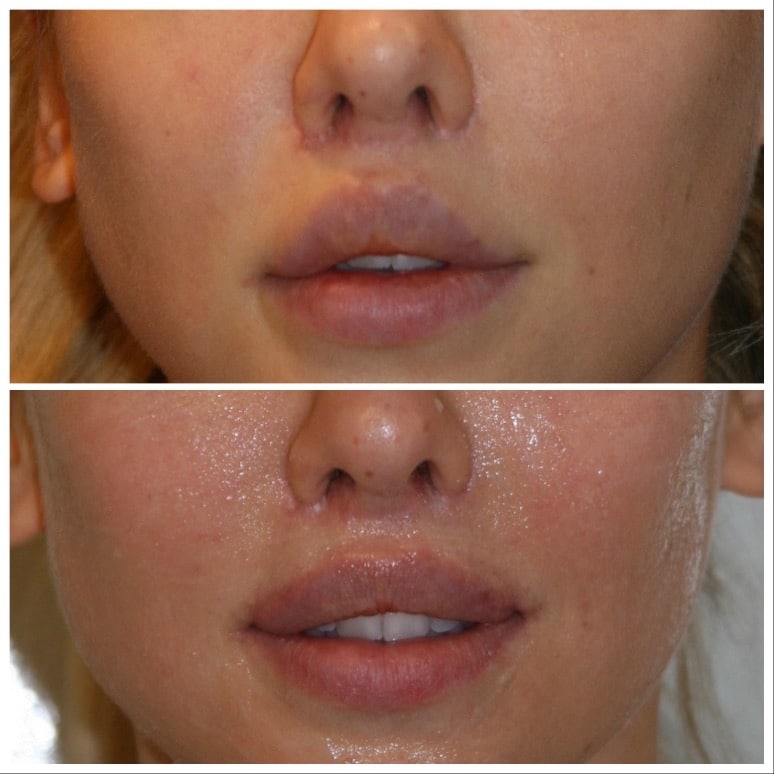
Tyndall effect before hyaluronidase
Before
Under-eye Tyndall effect / bag from hyaluronic acid filler (before hyaluronidase).
Improvement after hyaluronidase
After
After hyaluronidase with careful massage and molding.

Before and after treatment of the Tyndall effect. Improvement followed targeted hyaluronidase with careful massage and molding.

Hyaluronidase: The Filler Eraser

Hyaluronidase is an enzyme that breaks down hyaluronic acid. Commercial preparations include products such as Hylenex and Vitrase, among others.

I often describe hyaluronidase to my patients as a pencil eraser.

If I’ve performed a filler treatment and several days later notice a little excess fullness or an area that needs refinement, a carefully placed amount of hyaluronidase can often correct it quickly and effectively.

I also use hyaluronidase before certain facial surgical procedures when previously placed filler is obscuring the anatomy I actually need to evaluate or treat.

Used thoughtfully, it is an extraordinarily useful tool.

The trouble starts when the pencil eraser becomes a belt sander.

The New Obsession With Dissolving Everything

Increasingly, I see patients who don’t simply want an unattractive area of filler corrected.

They want every molecule of filler removed from their face.

Some arrive after months of repeated dissolving sessions. They have undergone ultrasounds, MRIs or other imaging studies searching for residual pockets of filler.

A scan identifies another tiny area.

That area gets injected with more hyaluronidase.

Another scan is obtained.

Something else is found.

And down the rabbit hole we go.

More appointments. More scans. More dissolving. More swelling. More anxiety. More money.

Yet when I actually look at the patient, there may be very little—or sometimes nothing—visibly wrong.

At some point, the pursuit itself becomes the problem.

Interestingly, this isn’t merely theoretical. A retrospective study of 157 treated orbits found that while 59% achieved a satisfactory result after hyaluronidase, 24% required additional treatment and 18% reported post-treatment facial changes such as hollowing—a phenomenon the authors termed “posthyaluronidase syndrome.” This does not prove that hyaluronidase permanently damages one’s native tissues, as some corners of social media would have you believe. But it does reinforce a rather basic aesthetic principle: more treatment is not necessarily better treatment.3

Hyaluronic Acid Is Not a Metastatic Disease

This is where some perspective is desperately needed.

Residual hyaluronic acid filler is not cancer. It is not a metastatic disease that must be hunted down and banished from every corner of the face.

The objective of aesthetic medicine is not to produce an MRI demonstrating absolute molecular purity.

The objective is to make the patient look better.

That distinction sounds ridiculously obvious.

Apparently, it isn’t.

Imaging can unquestionably be useful. Ultrasound, for example, can help identify the location and depth of previously injected material in selected situations. MRI may reveal material or tissue changes that aren’t obvious on examination.

But the existence of something on an image does not automatically mean that it is producing an aesthetic problem—or that treating it will improve the patient’s appearance.

Which brings me to the sophisticated diagnostic technology I use most frequently.

My Favorite Imaging Device: My Eyes

Patients sometimes ask:

“What makes you successful at dissolving difficult filler? Are you using MRI? Ultrasound? Some special imaging technology?”

Those technologies certainly have their place.

But my primary diagnostic instrument remains decidedly low-tech:

My eyes.

If I see abnormal puffiness, a blue-gray Tyndall effect, contour distortion or meaningful asymmetry that appears related to filler, I treat it.

If I don’t see a problem, I generally leave it alone.

And, perhaps more importantly, I encourage the patient to leave it alone too.

Because I’m treating a face, not an MRI.

An imaging study should help answer a clinical question. It should not automatically create a new clinical problem simply because it detected something.

Hyaluronidase Dissolves. Massage Sculpts.

This isn’t merely philosophical restraint. Published guidance on Tyndall effect specifically describes selective dissolution of the superficial offending HA layer without removing the entire filler deposit. The literature also recognizes massage following hyaluronidase as part of managing certain HA gels. In other words, the objective is correction—not molecular extermination.2

There is another element of successful filler correction that receives surprisingly little attention: massage and molding.

Hyaluronidase is not magic water.

You don’t simply inject a few drops, walk away and wait for perfection to occur.

When appropriate, careful manipulation of the treated area—from deeper tissues toward the surface—can be an important part of achieving a smooth, controlled correction.

In my experience, thoughtful massage and molding can sometimes be every bit as important as where the enzyme itself is placed.

The goal isn’t indiscriminate destruction of filler.

It is controlled correction.

That requires anatomy, judgment, examination and, yes, occasionally knowing when to stop.

Dissolve the Problem—Not the Patient’s Peace of Mind

There is nothing wrong with wanting poorly placed filler corrected. I do it regularly.

There is nothing wrong with using imaging when the clinical situation genuinely warrants it.

And there is certainly nothing wrong with hyaluronidase. It remains one of the great advantages of HA fillers precisely because it gives us a degree of reversibility that many aesthetic treatments simply don’t have.

But there is an enormous difference between correcting a visible problem and embarking upon an endless search for microscopic remnants of something simply because modern imaging technology is capable of finding them.

More information does not always mean more treatment.

Sometimes the most sophisticated decision a physician can make is to look at the patient and say:

“That looks good. Leave it alone.”

In aesthetic medicine, as in much of medicine, the simplest solution is often the best one.

And occasionally, the hardest procedure to perform is no procedure at all.

Selected Medical References

  1. Harris S, Weiner S. Reframing Hyaluronidase in Aesthetic Medicine: From “Dissolving Filler” to “Modifying Filler.” Aesthetic Surgery Journal. 2026;46(6):NP51–NP54. DOI: 10.1093/asj/sjag022
  2. Nonvascular Complications of Injectable Fillers—Prevention and Management. https://pmc.ncbi.nlm.nih.gov/articles/PMC7822713/
  3. The Posthyaluronidase Syndrome: Dosing Strategies for Hyaluronidase in the Dissolving of Facial Filler and Independent Predictors of Poor Outcomes. https://pubmed.ncbi.nlm.nih.gov/38655103/

Randal D. Haworth, MD, FACS
Board-Certified Plastic Surgeon | Beverly Hills

How Custom Chin Implants Are Transforming Facial Harmony — Here’s What Top Surgeons Won’t Tell You


The Art and Science of Chin Enhancement: Balancing Beauty, Restoring Proportion

As a plastic surgeon with a global clientele, I often say: chin enhancement may not be necessary—but in facial aesthetics, necessity and desire can merge beautifully. Let’s explore why.

Why the Chin Matters

From the front, the chin defines the proportions of the upper, middle, and lower facial thirds. A recessed chin can make the face appear wider, disrupt harmony, and cast vertical shadows from the mouth corners toward the jawline—subtle signs of “pseudo‑jowls” long before they appear.

Before-and-after comparison of an anatomic extended chin implant showing reduced vertical shadow wings between the lower lip and chin, improving lower face harmony.

Anatomic Extended Chin Implant — Before & After:
The “shadow wings” that extended from the corners of the lower lip toward the chin have been significantly reduced, restoring smoother, more harmonious lower facial contours.The patient also underwent an upper lip lift
.

From the profile, a properly aligned chin should fall along a vertical plumb line with the nose. A weak chin can contribute to submental skin laxity and even a flaccid lower lip that exposes the lower teeth.

Before-and-after images of chin implant surgery correcting a recessed chin, lifting a forward-hanging lower lip, and tightening loose submental skin.

Recessed Chin Correction with Chin Implant — Before & After:
Marked improvement in chin projection, resolution of flaccid forward-hanging lower lip, and tightening of loose submental skin after chin augmentation.
 

Enhanced Insights from Recent Trends

  • Rising demand for chin implants in 2025: Surgeons are seeing increasing popularity for chin implants due to their ability to refine face shape and define the jawline with minimal downtime .
  • Custom implants using CAD/3D‑printing: Personalized implants designed via CAD and 3D modeling offer unmatched precision and harmonious results  .
  • Preference for natural aesthetics: Patients increasingly favor subtle, authentic enhancements over overly dramatic looks—often referred to as the shift from Kardashian‑style to more natural facial harmony  .
  • Advantages of implants vs. fillers: Implants offer more dramatic and permanent results, especially for those ready for lasting change. Fillers remain a great trial option or for those seeking modest, temporary enhancement .

Refined Surgical Options

  1. Dermal and Fat Fillers

    • Temporary fillers (like hyaluronic acid or calcium hydroxyapatite) or permanent options (such as Bellafill or autologous fat) offer non‑surgical chin enhancement, ideal for previewing outcomes  or as a relatively simple, non-invasive methods for mild to moderate issues Jaw fillers .

  2. Sliding Genioplasty (Advancement Osteotomy)

    A versatile technique moving the chin bone itself for structural change. Though powerful, it carries risks like step‑offs, lower lip laxity, and disruption of the mentalis muscle—hence my caution toward this approach. Sliding genioplasty

  3. Chin Implants (My Preferred Method)

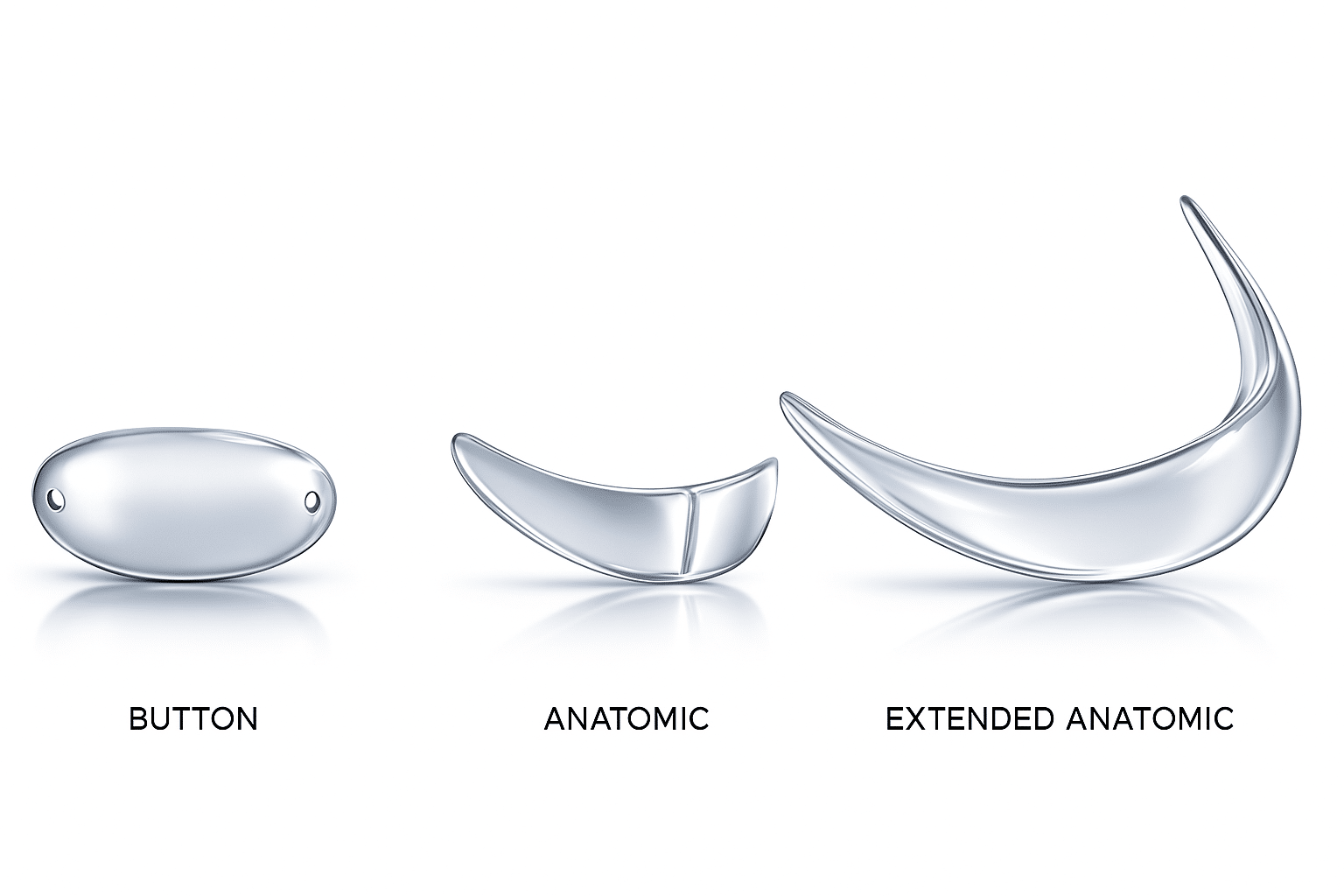
    • I favor solid silicone implants that I sculpt for personalized fit—whether a button style or an extended “boomerang” design to restore jawline flow. Their placement can even lengthen the lower face and improve posture of submental tissue. I personally customize the implant to both size and shape to not only account for underlying asymmetry of the bony mandible (on which it will sit) but also the asymmetrical overlying soft tissue (which will form the roof of the pocket). Pre-fabricated Chin implants only taken into account asymmetry of the bone and not of the soft tissue. Chin augmentation
    • Modern implants offer long-lasting, customizable results, minimal visible scarring, and enhanced facial proportions  
    • With proper case selection and surgical technique, complications are rare, and implants remain a go-to for enduring aesthetic refinement.

Custom chin implants in three styles—Button, Anatomic, and Extended Anatomic (Boomerang)—displayed side by side on a white background, used for tailored jawline contouring and improved facial proportions.

Comparison of three custom chin implant designs—Button, Anatomic, and Extended Anatomic (Boomerang)—crafted for personalized jawline contouring and enhanced facial harmony.

Beyond Aesthetics: Function and Form

A well-executed chin augmentation doesn’t just create a stronger jawline—it can smooth shadowing, lift a flaccid lower lip, and tighten loose submental skin. Done thoughtfully, it transforms the lower face into a more confident, balanced, and aesthetically cohesive whole. In the end, a well-proportioned chin plays an integral role geometry, balance, and how you carry yourself in the world. Whether you’re chasing a sharper jawline, banishing those telltale shadows, or simply giving your lower lip the nudge it’s been begging for, chin enhancement can be the quiet hero of facial aesthetics. 

Randal D. Haworth, MD, FACS / Board-Certified Plastic Surgeon | Beverly Hills
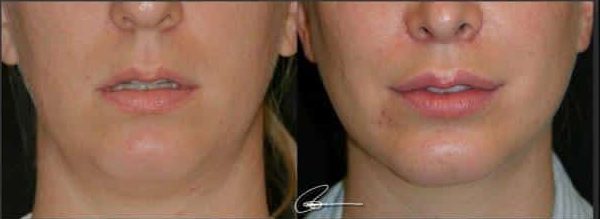
The “Neonatal Deformity” is the Upper Lip Lift’s Unwanted Offspring

To think that when Dr. Randal Haworth started his practice over 30 years ago, he was one of only a handful of leading plastic surgeons who specialized in lip reshaping surgery. Now, as one of the world’s most renowned lip lift experts, he has witnessed how upper lip lifts have exploded in popularity thanks to the influence of social media on the young and old alike. However, as with any trend, unintended consequences may arise such as the “neonatal deformity,” which originates from the congenital Apostrophe Lip. I first described this latter labial morphology in a chapter I authored for “Aesthetic Surgery of the Facial Skeleton”, a textbook edited by Dr. Steven Baker in 2019.

What Is an Apostrophe Lip?

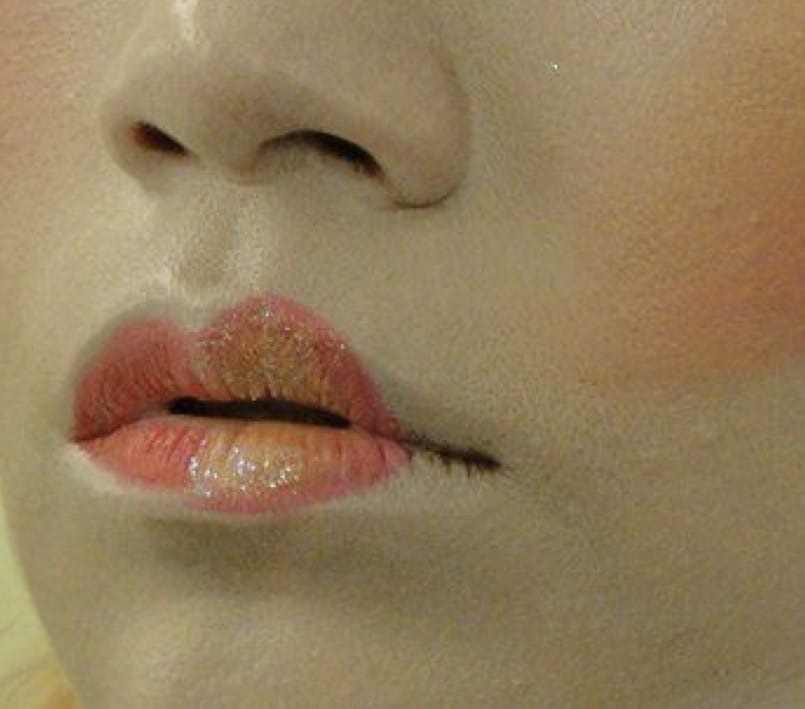
You might not recognize the name, but you’ve likely seen the effect: the pink vermilion (the visible part of the lip) is full and prominent only in the center, while the outer thirds taper off or even disappear. This narrowing gives the mouth a stylized, doll-like appearance reminiscent of Kabuki makeup, where the lips are intentionally painted small and central.

While deliberate in performance art, this effect is aesthetically unflattering when unintentional—and unfortunately, upper lip lifts performed without addressing corner anatomy often exaggerate this deformity.

Kabuki performance artist's lips
Kabuki-style makeup mimicking an Apostrophe lip — note the abrupt loss of vermilion toward the corners, creating a slit-like mouth.

Kabuki lips
Another example of a stylized Kabuki “rosebud” mouth, often unintentionally replicated by improper upper lip lifts.

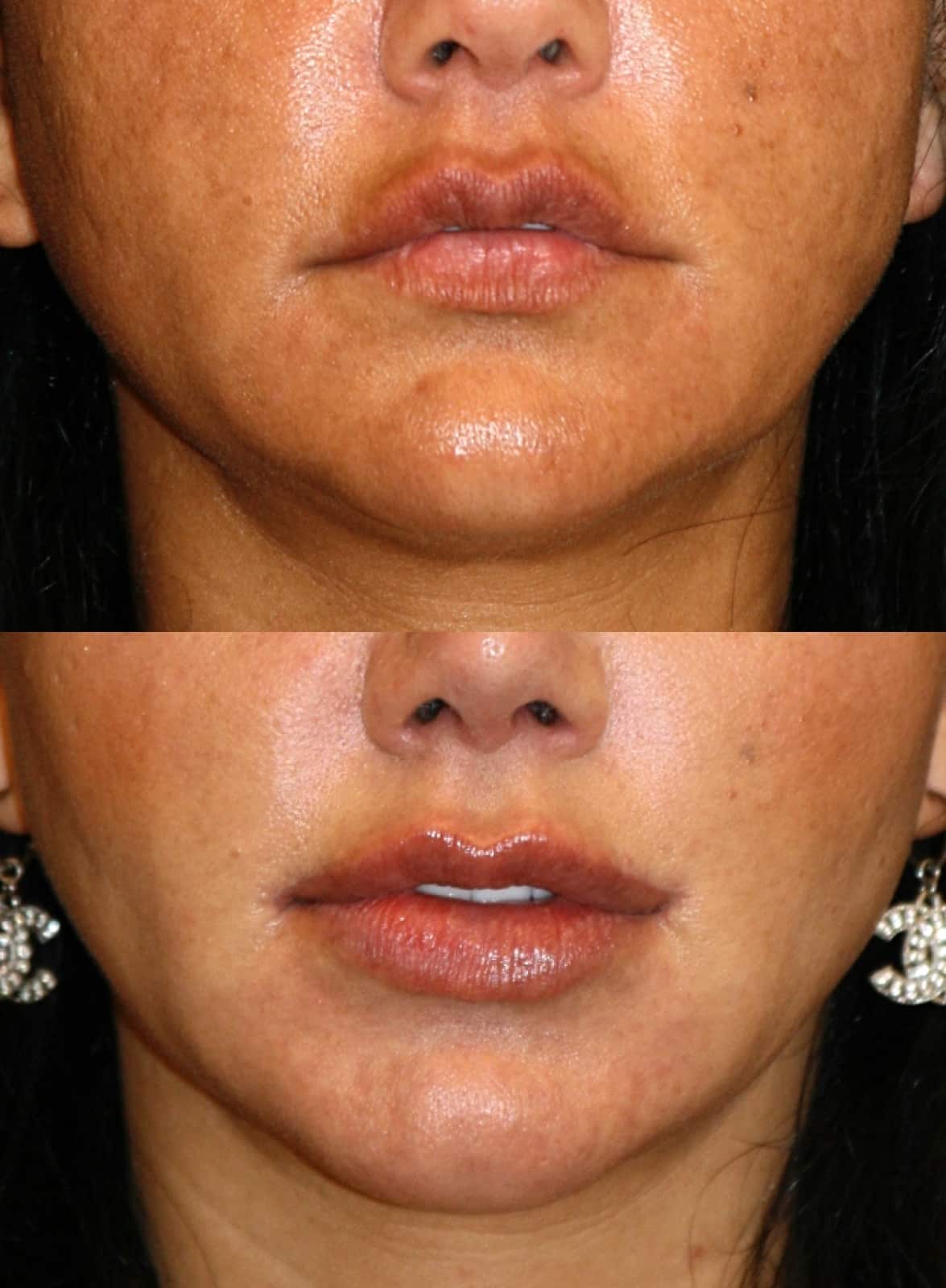
Overfilled lips due to both patient and practitioner perception drift
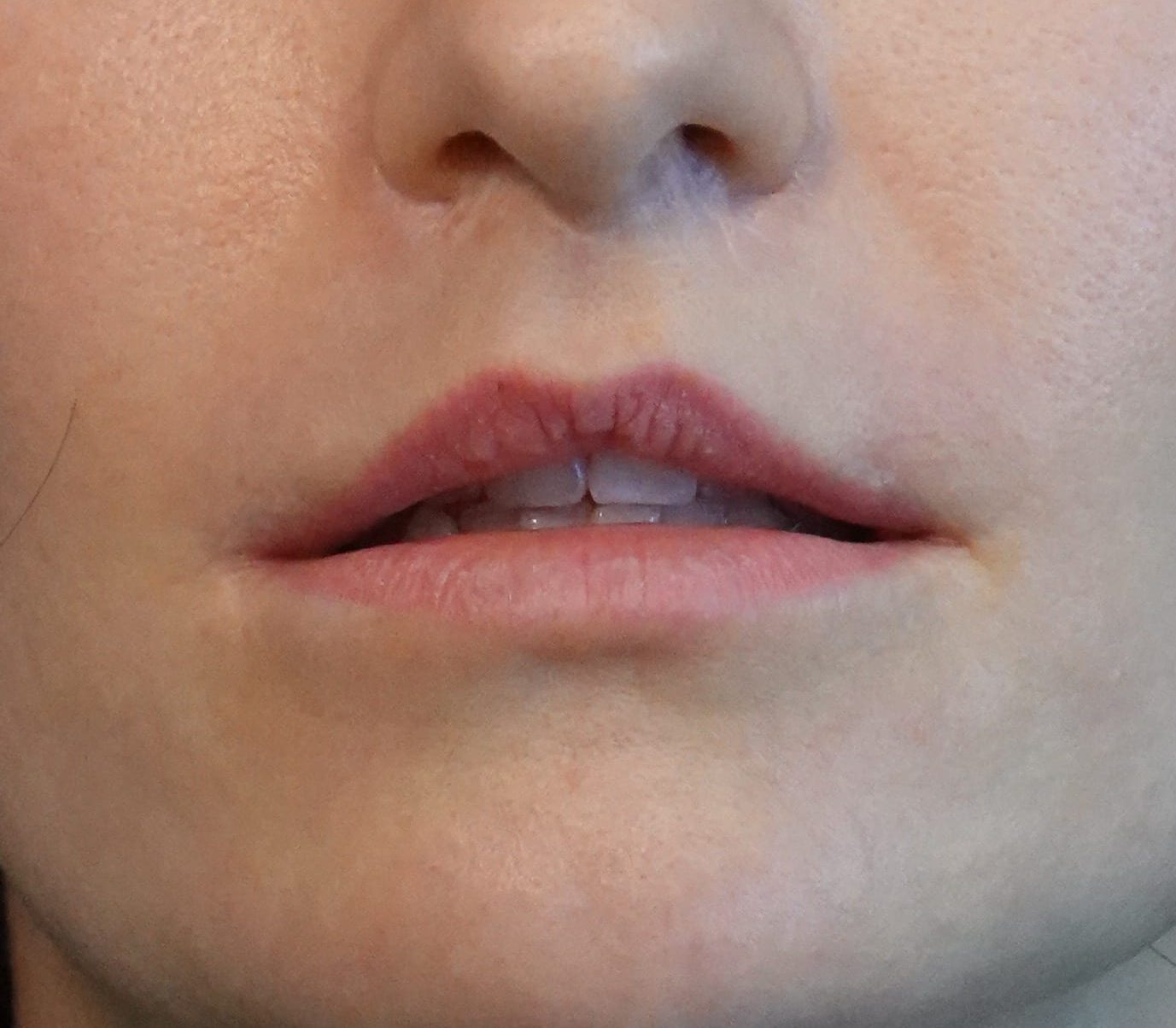
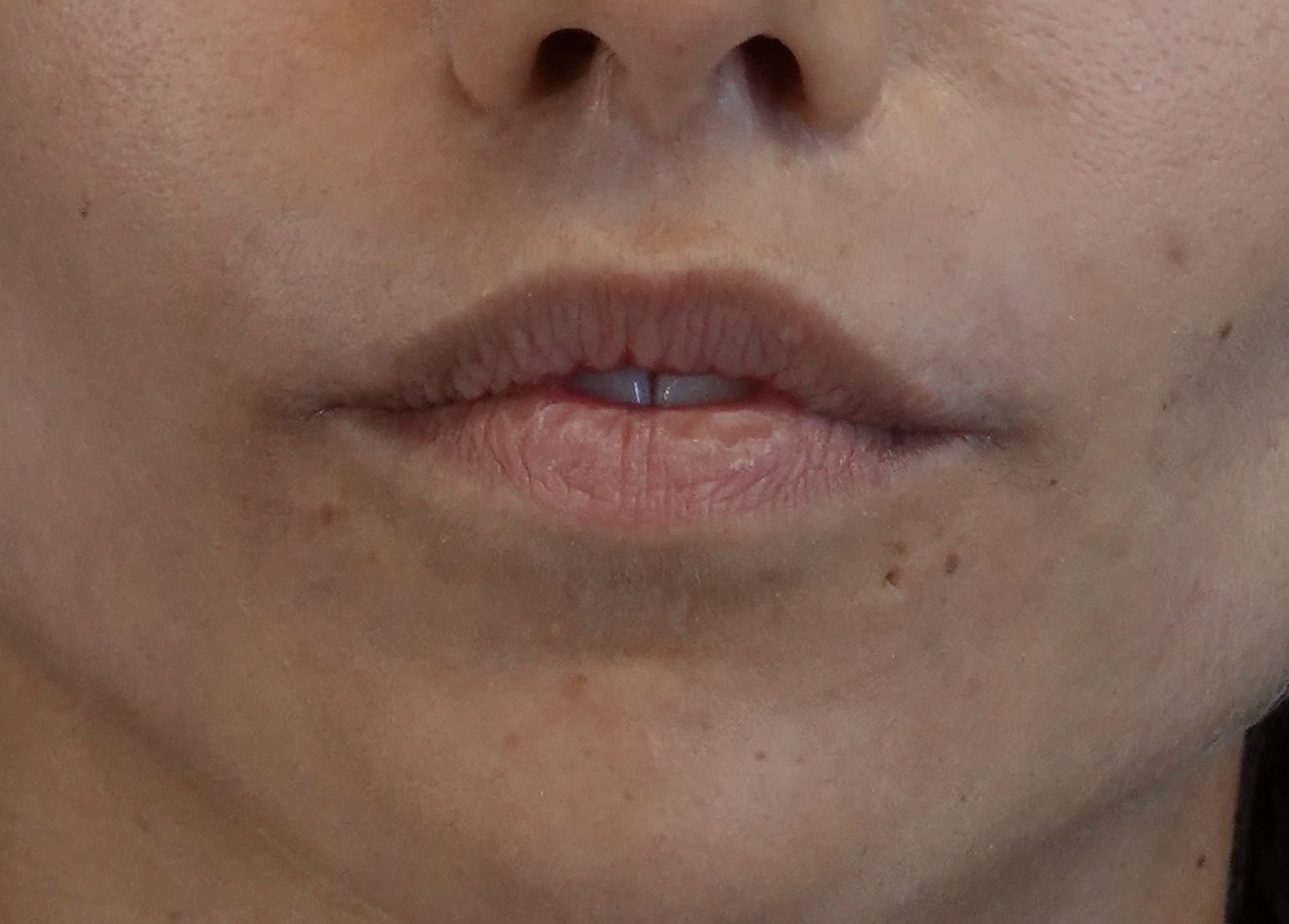
Before and after correction of an apostrophe lip using a medialized corner lip lift. This patient had chronic filler injections that exacerbated the deformity, narrowing the vermilion into a slit-like central zone.

How an Upper Lip Lift Can Create A Neonatal Lip

Lips of a Neonate
The neonatal deformity gets its name from the naturally recessed corners and centralized vermilion seen in newborns—charming in infants, but unflattering in adults.

Regardless of type, if an upper lip lift is performed without taking into account the oral commissures and lateral upper vermilion, a preexisting apostrophe lip can be exacerbated. The slope from the Cupid’s bow to the oral commissure (mouth corners) becomes unnaturally steep. The outer pink vermilion rolls inward or disappears entirely, leading to a pinched, slit-like appearance akin to that of a newborn. In essence, a neonatal deformity. Patients from around the world have come to me distressed by this outcome, often feeling disfigured and despondent.

Classic Neonatal deformity
Classic Neonatal lip deformity after an upper lip lift without regards to the oral commissures
A moderate neonatal lip deformity
A moderate neonatal lip deformity after an upper lip lift and an inadequate traditional corner lip lift

The Medialized Corner Lip Lift: A Powerful Solution

Enter the medialized corner lip lift—a precise, elegant surgical solution I’ve refined over the years to correct these issues. It not only repositions the corners of the mouth upward but also:

  • Restores lost vermilion by rolling it outward, eliminating that paradoxically tightlipped “rosebud” look.
  • Corrects asymmetry, which is present in the majority of mouths.
  • Improves the marionette folds (those stubborn lines running from the corners of the mouth downward) that facelifts often miss.
  • Softens the harsh slope from Cupid’s bow to oral commissure, restoring a balanced, natural curvature.

This is a high-precision procedure involving design and execution tolerances as fine as a quarter millimeter. But when done correctly, the results are not only restorative—they are transformative.

Neonatal lip deformity stemming from past upper lip lift.
This patient required a direct revision of her previous upper lip lift to correct pleating at the nasal base and a medialized corner lip lift to correct the neonatal deformity. A lower V–Y plasty was also performed.
Asymmetrical, neonatal, deformity after upper lip lift and simultaneous rhinoplasty
Another case of asymmetrical neonatal lip deformity after having undergone a previous upper lip lift simultaneous with a rhinoplasty. Dr. Randal Haworth corrected this with a medialized corner lip lift along with medical dermabrasion of her upper lip lift and nasal base/past rhinoplasty scars.. The vermilion was central and collapsed at the corners.

Final Thoughts

If you’ve undergone an upper lip lift and are unhappy with the corner distortion or feel like your lip looks smaller or more “pursed” than before—know that you’re not alone. These issues are more common than many realize, but they are entirely correctable.

Performed under local anesthesia, the medialized corner lip lift offers a sophisticated solution to restore harmony and confidence to your face.

Randal D. Haworth, MD, FACS / Board-Certified Plastic Surgeon | Beverly Hills
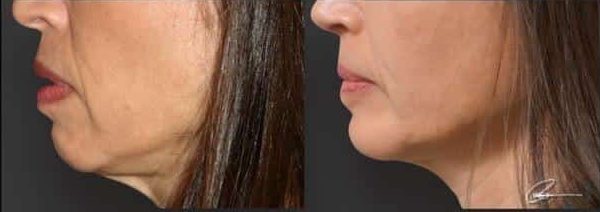
 

Iggy Azalea shows off her plastic surgery transformation in the artwork for her new single Lola… and she looks like a completely different person compared to throwback photos

Iggy Azalea has released the artwork for her new single, Lola. 

The cover art shows a sleek-looking Iggy pouting in a plunging green dress with pop star Alice Chater resting in her lap.

With her plump lips and slender nose, the 29-year-old rapper is almost unrecognisable compared to when she first arrived on the celebrity scene in 2012.

She’s back! Iggy Azalea looks like a perfect mannequin on the cover of her new single, Lola. Pictured with pop star Alice Chatter

In photos taken when the Australian-born star was just 23, she sports noticeably thinner lips, a larger nose and a flatter chest.

Iggy has admitted to undergoing some procedures, including rhinoplasty and a breast augmentation. 

However, she has always maintained that her famous derrière is all natural.

Remember me? In photos taken when the Australian-born star was just 23, she sports noticeably thinner lips, a larger nose and a flatter chest. Pictured on September 6, 2012 in LA

What a transformation! The 29-year-old rapper has completely changed her appearance between 2012 (left) and 2019 (right)

Last year, Beverly Hills plastic surgeon Dr. Randal Haworth told Daily Mail Australia that he believes the rapper may have made additional changes to her facial shape.

According to Dr. Haworth, who has not treated Iggy himself, she appears to have invested in some ‘subtle’ and ‘beautiful’ refinements.

‘Iggy is what I would describe as an excellent “canvas” on which a plastic surgeon can reveal his work,’ he observed.

‘When done right, results can be sublime and indiscernible to a layman’s eye.’

Stunning: Iggy has admitted to a nose job and breast augmentation, but has always maintained that her famous derrière is natural. Pictured on July 26, 2019 in Las Vegas

In addition to Iggy’s rhinoplasty, which ‘straightened and narrowed her nose’, Dr. Haworth believes she may have undergone ‘a chin augmentation as well as mandibular angle enhancement to give her a more refined, “modelesque” jawline.’

‘This can be done either with solid silicone implants or off-the-shelf injectable fillers, but either way, her results are spectacularly non-obvious,’ he said.

Iggy, who hails from Mullumbimby, NSW and moved to the U.S. aged 16, has never concealed the fact she has undergone a breast enlargement.

Before and after: Iggy’s face has completely transformed over the years. Pictured left: in September 2012, and right: in September 2019

‘Four months ago, I got bigger boobs! I’d thought about it my entire life,’ she told fashion bible Vogue in 2015.

She later spoke about her new look with E! and explained why she decided to go public with the news.

‘I love them so much I had to talk about them,’ she revealed. ‘Everybody did say, “I don’t think you need to say it because no one will ever know because they’re so small”. I said, “I know but I’m just going to say it [because] I’m a blabber mouth!”

Quite the difference! Iggy’s face looked remarkably different in this photo taken in late 2014

‘I’d feel better not to have some secret. It’s much freer to say it and then you don’t have to worry someone will dig it up,’ she added. 

However, despite her candid attitude to surgery, bootylicious Iggy steadfastly denies rumours she has undergone ‘butt implants’.

She told Australian radio program Stav, Abby & Matt in 2017: ‘No, I don’t have bum implants! They’re not my real boobs, but it is my real butt.’

Barbie girl! The blonde beauty often shows off her flawless features on social media

“I have breast implants and I have pain Doc.”

As a  plastic surgeon treating breast implant associated deformities and illnesses for over 25 years, I have seen many patients such as Dolly Parton who now complain of pain associated with the breast augmentation. For example, I treated award winning actress Sally Kirkland back in the late 90s for breast implant related pain. I removed her implants and their associated encasing collagen capsules and corrected her resultant “empty breast” via a mastopexy or breast lift in common parlance.

Actual breast pain tends to be more frequent in patients with very large (i.e. heavy) implants. especially in conjunction with thin, stretched-out overlying breast tissue. Indeed, the implant itself becomes the main culprit responsible for the thinning;  essentially, a vicious cycle  develops taking the patient down a one-way street of pain.

Heavy implants especially in delicately framed women can also contribute to cervical, deltoid and upper back pain. Again, this could simply be represent the long term effects of heavy implants upon the upper body. The only way to alleviate this painful ball-and-chain effect is to either reduce the implant size or just remove them completely. A breast lift is often done in conjunction with implant removal to tighten the excess loose skin left behind.

Capsular contracture is another reason for breast pain extending to the shoulder like a vice, limiting one’s range of motion . When implants are placed in a pocket under the breast  a capsule composed of your body‘s natural collagen develops to line the pocket. This capsule can have a mind of its own and decide to shrink down tightly around the implant causing distortion and in some cases significant pain. This can be torturous and removal of the scar tissue is the only way to effectively treat the problem.

Left Baker’s Grade IV breast implant associated capsular contracture
Right mild Baker’s III encapsulation
(Grade I -Normal
Grade II- Hard & stiff, but fairly normal appearance
Grade III- Hard & distorted
Grade IV- Hard, distorted with pain)
Postoperative results after Dr Haworth, a foremost breast implant revision specialist, performed a bilateral total capsulectomy and implant exchange “under the muscle”

Finally,  many patients suffering from breast implant-related pain have attributed their problems to auto immune disease caused by the very implants  themselves. Often times, these patients may complain of other systemic painful symptoms including fibromyalgia and fatigue. Though few doctors question their pain, there has been little  scientific proof that there’s a link between painful auto immune disease such as fibromyalgia and breast implants.

Most women end up loving their breast augmentation  and even accept mild discomfort in order to maintain their new cleavage. However, for the unfortunate minority  who experience severe pain, parting ways with their breast implants may be their only solution. 

Michelle Bridges creates a stir with ‘no filter’ photo of her face

The ex Biggest Loser icon reveals her secrets Fitness guru and former Biggest Loser star Michelle Bridges has posted a photo with her mum, proudly labelled ‘no filter’ – eliciting a strong reaction from her legion of followers.
The star took to Instagram to share an outing with her mother Maureen, captioning it, ‘Out with my mum! No filter but plenty of Love ❤️❤️❤️❤️ #gratitude.’

Michelle’s fans took to the comment section to rave about the photo, with one gushing, ‘I hope you know how beautiful you are without any photoshopping etc.

‘So many people look up to you – you’re naturally beautiful and we love the real you!’

Another raved, ‘You look so pretty 😊’, while yet another wrote, ‘I have unfollowed many with filters. Fake. Thanks for keeping it real.’

A fourth added, ‘Your skin looks incredible.’


4,275 likes – View Post on Instagram
Out with my mum! No filter but plenty of Love ❤️❤️❤️❤️ #gratitude

Indeed, the star’s seemingly completely line-free visage was a sight to behold. .

Last year, Hollywood cosmetic surgeon Dr Randal Haworth claimed that Michelle could be an ‘enthusiastic user’ of both ‘fillers and Botox’, Daily Mail Australia reported.

Dr Haworth speculated the Aussie fitness star has plumped her lips and filled her under-eye area with Juvéderm.

‘A tell-tale sign that filler was used to treat under-eye hollows is bulging below her lower eyes next to the nose. I can see Michelle has those when she is smiling in recent photographs,’ the surgeon told the publication.

1,898 likes – View Post on Instagram
These photos were taken by my gorgeous, talented friend @nica.photography for @escapesouthernhighlands magazine Spring 2019 edition 📸🙏🏻 Would you just LOOK at me and my little man (with his long hair out of the bun too 😉) In the article I talk all about my home in the Highlands away from the rat-race city, a few of my favourite things (no spoilers 😘) and why my @12wbt is still going strong after 10 whole years 🎉🙌🏻 Nica, this photoshoot has to be one of my faves EVER! And to the Escape team, thank you for the feature 💛escapesouthernhighlands.com.au/category/in-the-current-issue/ #escapesouthernhighlands #nicaphotography

On the subject of Botox, Michelle has said: ‘I am a fan of anything that makes a person feel good about themselves and more confident’.

Michelle is mum to three-year-old son Axel, who she welcomed in December 2015 with former partner and Biggest Loser co-star Steve ‘Commando’ Willis.

‘We’re just like any other family who have full-time jobs and children; we’re not special!’ she says.

‘We didn’t plan to be so busy but that’s often the way it is – you have to figure it out as you go!’

But in June, Michelle admitted during WHO’s Raw Talks podcast that she struggles with the constant rumours about her and Steve’s relationship.

‘Sometimes I don’t deal with it well. Sometimes it really, really hurts me,’ she explained.

Michelle and Steve first got together in 2013 after meeting while working together on The Biggest Loser.

Plastic Surgery-The Male Factor

Man running
Exercise is hard work

For the last eight years or so, I, as one of the foremost cosmetic injection experts in Beverly Hills, have noticed an increasing number of men seeking aesthetic improvement outside of diet and exercise. However, I see this growth as less a trend and more of a real shift in the industry.

This growth is spurred on by society’s reliance on visual rather than written communication and its unabashed obsession with youth and beauty over old-fashioned wisdom and experience. The eruption of social media, including Instagram and the like, has only heightened the problem. It has awakened our once dormant  narcissism into the self-perpetuating collective contagion that it is today. 

Consequently, there is less social stigma for men to seek out ways to better their appearance in this highly competitive world. In 2018, more aesthetic technologies are finally delivering on their promises to reduce wrinkles, firm faces, reverse atrophy and sculpt bodies without hair. The armamentarium used includes Botox, Jeuveau( or #Newtox), Juvederm, Vollure, Restylane, Radiesse,Voluma, Bellafill, IP, laser hair removal and other lasers to treat brown discoloration, and red patches. Men are not only seeking out ways to keep themselves looking young and competitive but also non-surgical ways to actually enhance their features; these include filler/liquid nosejobs (rhinoplasties), cheek and chin augmentations and jawline defining and even laser induced fat burning with SculpSure..

All done with the expert hands of a board certified plastic surgeon or his personally trained expert nurse injectors (such as Katherine Braun, R.N. helming The Haworth Institute’s own medispa, Self-Centered Aesthetics™), results which are both significant and, most importantly, natural.  This is ideal for men wanting their appearance to be on point in order to compliment their skill set at work.

No cutting, no stitches, less recovery, less expense- what’s there not to like for those men who simply want to look good with minimal expense and time? 

Get the London Goheen look! American model, 21, reveals how she keeps her derrière toned

American model London Goheen, 21, didn’t achieve her pert derrière and perfectly toned legs overnight. 

And on Saturday, the brunette beauty went extra hard at the gym after eating an epic cheat meal the night before.

Taking to Instagram, London shared an intense workout video of herself in a barely-there gym outfit that revealed her exercise secrets.

Get the London Goheen look! American model (pictured), 21, reveals how she keeps her derrière and glutes toned in barely-there workout outfit

The model wore skin-tight pink exercise shorts and a skimpy bralette that could barely hold her assets. 

Lunge enthusiast: London performed two lunge exercises, curtsy lunges (left) and normal lunges (right), saying she always uses a 10-pound weight, which is roughly 4.5 kilograms

For the third exercise, London did weighted curtsy lunges with a 10-pound weight, which is roughly 4.5 kilograms. 

The 21-year-old then finishes of the workout with normal weighted lunges and leg extensions on a workout machine. 

With a focused look on her face, London appeared to get extra hard at the gym on Saturday morning after a huge cheat meal on Friday night. 

Taking to Instagram, the model revealed she ate a pepperoni pizza, chicken wings and three ice-cream sandwiches with the caption: ‘Yes, this is all for me and me only.’

Hard work pays off! London shows off the fruits of her labour in the gym with sizzling Instagram posts in barely-there bikinis  

Treat yourself! The night before her morning workout, London ate a pepperoni pizza, chicken wings and three ice-cream sandwiches with the caption: ‘Yes, this is all for me and me only.’

Last year, photos emerged of the stunner showing the extent of the extraordinary transformation she’s managed to achieve since her days as an ordinary high school student in the US. 

‘Specifically, her slightly bulbous tip has been narrowed to form a perfect streamline with her thin nasal bridge. All in all, it’s good work,’ he added.

Dr. Haworth further speculated that London has augmented her lips with filler to create a more ‘sensual’ look.

‘Her lips have been obviously augmented, most likely with a hyaluronic acid filler such as Juvéderm, Volbella or Restylane,’ he said.

Refinements: Dr Randal Haworth told Daily Mail Australia in December that he believes the Texan has undergone rhinoplasty in addition to having non-surgical lip fillers. Pictured left: In her teenage years, and right: in 2018

In January, an eagle-eyed fan noticed London had previously admitted to breast implants on her Instagram account.

‘Where did you get your breast augmentation you look amazing,’ one fan asked, to which London replied, ‘Houston’.

London first made headlines in September when Reece Hawkins, 24, publicly confirmed they were dating.

Are they engaged? In June, London sent fans into a frenzy with a not-so-subtle set of emojis on a loved-up Instagram post with her beau. It was captioned with a ring, love-heart and baby icon

The new relationship, which began just a few months after Reece ended his engagement to fitness model Tammy Hembrow, left millions of fans devastated.  

In June, London sent fans into a frenzy with a not-so-subtle set of emojis on a loved-up Instagram post with her beau.

Captioning a photo with a ring, love-heart and baby icon, the 21-year-old’s social media upload was flooded with comments congratulating the couple.

End of an era: It’s been over a year since Tammy announced her split from her ex-fiancé and the father of her two children, Reece Hawkins (left)

BY DAILY MAIL

Plastic Surgeon and the Anesthetist

How do I chose local, regional, sedation or general?

General generally means endotracheal tubes

Essentially there are three types of anesthesia:

1. Local anesthesia-the type a dentist gives you while you’re totally awake

2. IV sedation or “twilight sleep“. A sedative is administered intravenously to induce a deep state of sedation. 

3. General anesthesia-Sedative agents are administered both intravenously as well as through endotracheal breathing tube into the lungs.

Though the most consider IV anesthesia as being safer, ironically it can be more dangerous. Unlike general anesthesia, IV sedation does not use a breathing tube to prevent a patient’s airway from closing if sedation gets too deep. Actually, this can happen many times during an operation and that is why the anesthesia provider must stay hypervigilant to deliver enough sedation to maintain a patient’s unconscious state but not enough to stop them breathing on their own.

There are two types of patients when it comes to anesthesia-those who are very wary of any anesthesia, let alone general and those who want full general anesthesia without hesitation. Obviously, the choice as to what type of anesthesia is used during plastic surgery is a collaboration between the patient and the surgeon. 

As a Beverly Hills plastic surgeon, creating human artwork involves deep concentration, precise technique, a painstaking attention to detail and unlimited patience. Therefore I want my patient to be perfectly still, comfortable and safe so I can do my very best without being distracted,  even if the surgery is only “skin deep”. This is why I, as a facelift expert in Beverly Hills, perform my facelifts and detailed hyperaesthetic facial surgery under general anesthesia. I feel I can deliver the best results I can while the patient is comfortable and safe.

I utilize general anesthesia for most of my high-definition body-sculpting, abdominoplasties and breast enhancements to enable me to go that “extra mile”. It’s all too often I hear patients complain about their underwhelming results from surgery performed under IV twilight sleep. This is because surgeons are constrained in what they can fully achieve by a moving, uncomfortable patient. In Beverly Hills, standards are high and patients expect the best and this is why they come to my clinic from across the world for their results and not for the type of anesthesia they receive.

However, there are many situations in which I feel IV sedation is better for the patient. Those requiring modest amounts of work where pain control can be easily supplemented by injected local anesthesia are best served with twilight sleep. Generally, shorter surgeries of the skin and subcutaneous tissue but above muscle fall into this category.

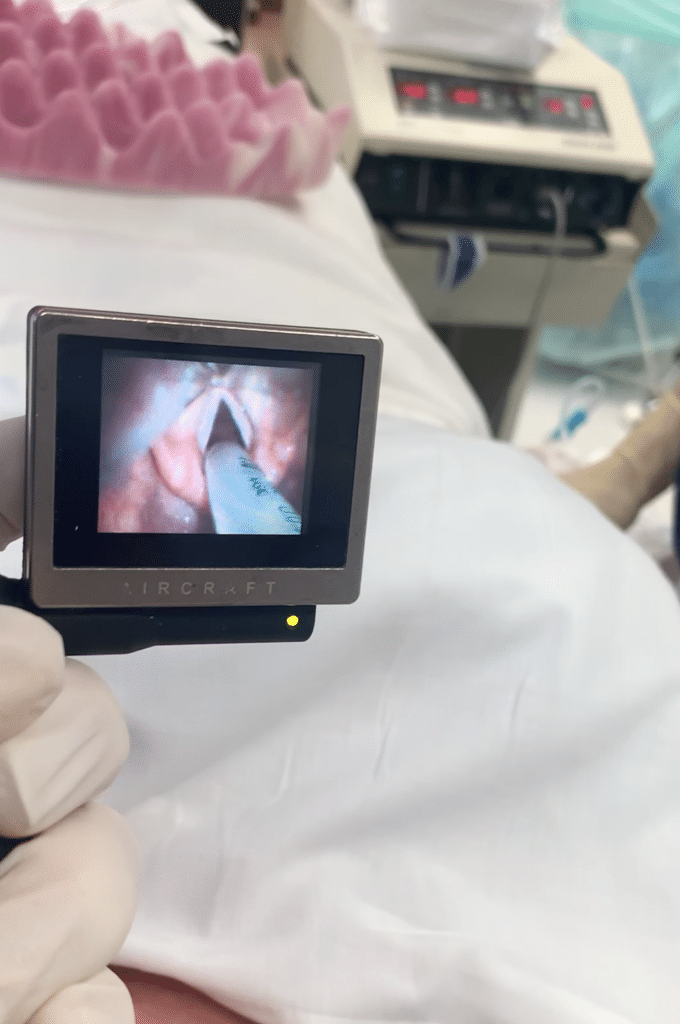
endotracheal tube passing through the vocal cords
An image of the endotracheal tube passing through a patient’s vocal cords

In the end, it all boils down to the concerns and expectations of the patient and how best the surgeon is able to fulfill them. However, most honest surgeons, whether in Beverly Hills or anywhere else for that matter, would agree that their most detailed and precise work was performed under general anesthesia


Page 1 of 15
1 2 3 15